
Emporium

21 Maggio 2018
places of interest

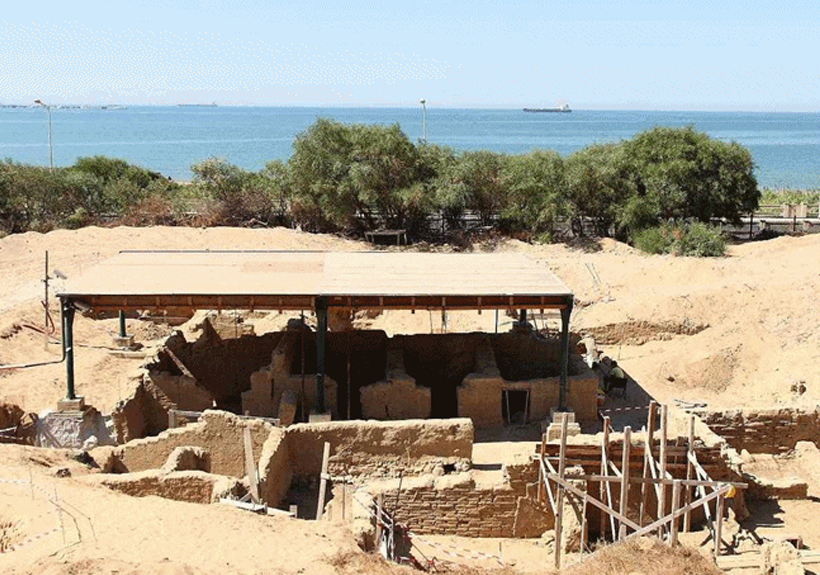
This complex is located along the south-east side of the hill where the first inhabited centre of the ancient Gela stood, in a place called Bosco Littorio.
Discovered during excavations carried out between 1999 and 2000, it has structures with an exceptional state of conservation. These feature a raising structure in raw bricks (in some places up to 2 meters), a type of construction material that is easily perishable, but which has been perfectly preserved thanks to the large sand dunes that distinguish the coast of Gela. Moreover, the walls are covered with fine light-coloured plaster, which is still visible in several rooms.
Situated between the river and the sea, this area has been identified as an ‘emporium’, a site where exchanges took place between traders from the Greek colony and seafarers from all over the Mediterranean.
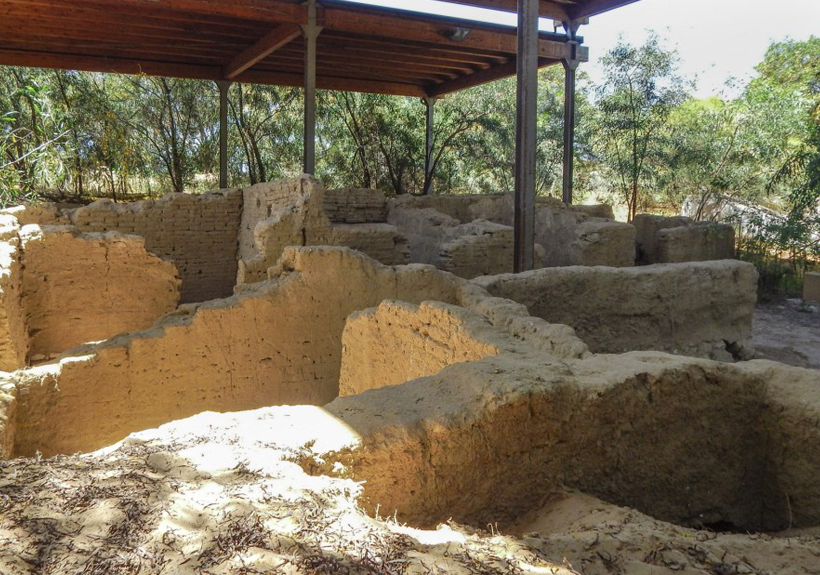
The emporium is divided into several rooms with a rectangular plan probably arranged into small blocks. In the upper part of the structures you can see the housings for the wooden beams that formed the roof frame, made of terracotta tiles – you can also see the openings for the doors and windows.

This site is dated to the sixth century BC, in view of the older finds found there. It was abandoned around the beginning of the fifth century BC, probably because of a natural disaster.
Among the many materials found, of great importance are the three terracotta altars with the representation of mythological scenes in relief, dating from the early sixth century BC, now considered one of the greatest archaeological treasures of Sicily and exhibited at the Archaeological Museum of Gela.

Lascia un commento

Il tuo indirizzo email non sarà pubblicato. I campi obbligatori sono contrassegnati *

Emporio

21 Maggio 2018
luoghi di interesse

Il complesso è localizzato lungo il fianco sud-est della collina in cui sorse il primo nucleo abitativo dell’antica Gela,  in una località denominata  Bosco Littorio.

Scoperto durante degli scavi realizzati tra il 1999 ed il 2000,  presenta  strutture con un’eccezionale stato di conservazione. Queste sono contraddistinte da un alzato in mattone crudo (in alcuni punti sino a 2 metri), un tipo di materiale costruttivo facilmente deperibile ma che, grazie alle grandi dune di sabbia che contraddistinguono il litorale gelese, si è perfettamente conservato. I muri sono inoltre rivestiti da un fine intonaco di colore chiaro, ancora visibile in diversi ambienti.

Posto tra il fiume ed il mare l’area è stata identificata come “emporio”, sito in cui venivano realizzati scambi tra commercianti della colonia greca e navigatori provenienti da ogni parte del Mediterraneo.

L’emporio si presenta suddiviso in diversi ambienti a pianta rettangolare probabilmente organizzati in piccoli isolati. Nella parte più alta delle strutture sono visibili gli alloggiamenti per le travi lignee che formavano l’intelaiatura del tetto, realizzato in tegole fittili: sono anche visibili le aperture destinate alle porte ed alle finestre.Il sito viene datato al VI sec. a.C., in considerazione dei reperti più antichi ivi ritrovati. Lo stesso verrà abbandonato intorno agli inizi del V sec. a.C. probabilmente a causa di una calamità naturale.

Tra i tanti materiali ritrovati, di grande rilievo risultano essere le tre are fittili con la raffigurazione di scene mitologiche a rilievo, databili agli inizi del VI sec. a. C., oggi considerate tra i maggiori tesori archeologici della Sicilia ed esposte presso il museo Archeologico di Gela

Lascia un commento

Il tuo indirizzo email non sarà pubblicato. I campi obbligatori sono contrassegnati *

Betzoid Explores Casinos con Depósito Mínimo de 10 Soles Peruanos